
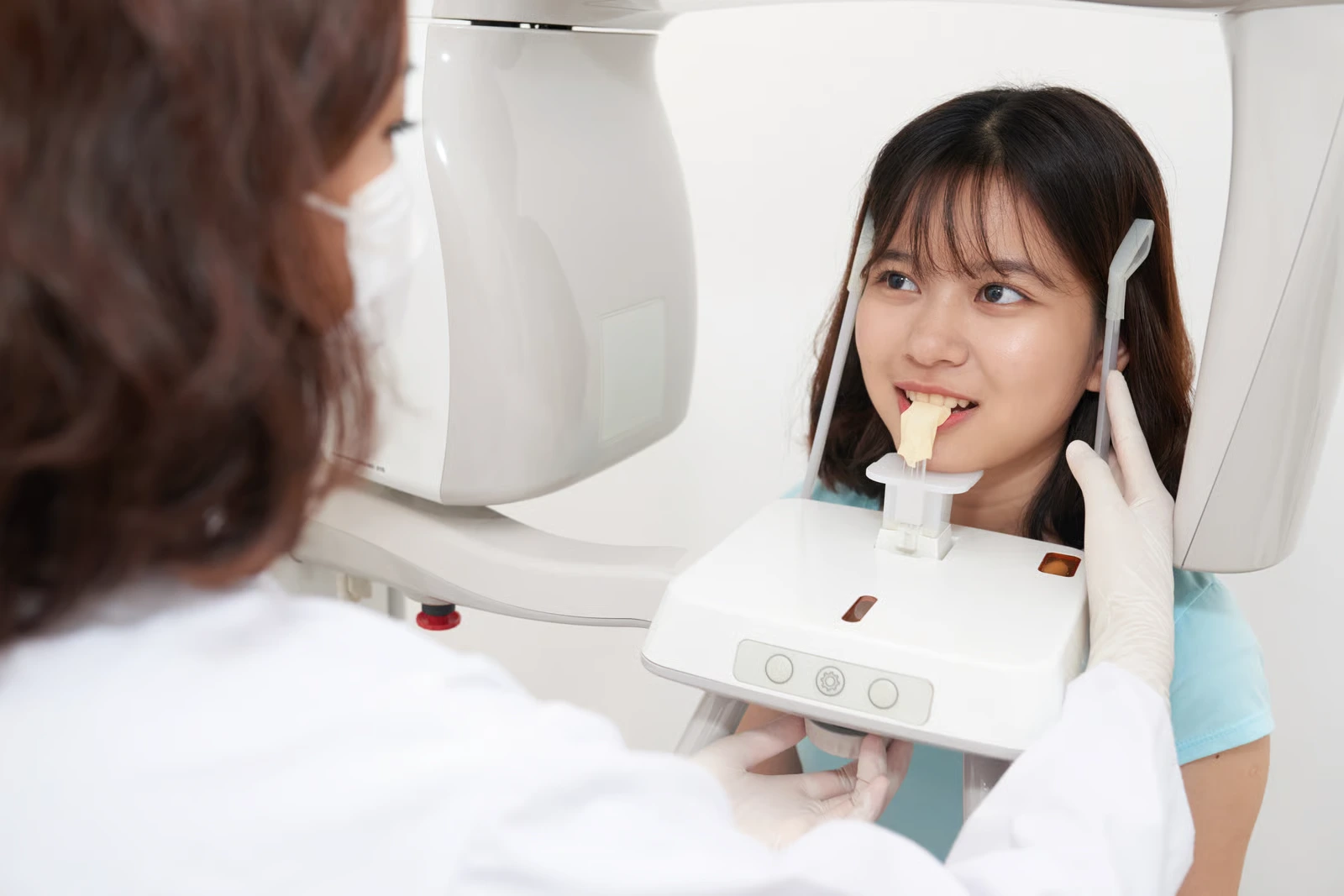
Intraoral Dental Imaging in Oxnard, CA
A Clearer View for More Precise Dental Care.
Intraoral dental imaging in Oxnard gives your dentist a detailed look at your teeth, roots, gums, bones, and surrounding structures. Using digital photographs, X-rays, and 3D scanning technology, our team can identify concerns more accurately and create personalized treatment plans based on a clearer view of your oral health.
Quick Answer: Intraoral dental imaging includes X-rays, digital scans, and photographs taken inside the mouth so your dentist can see problems a regular exam can't catch — cavities between teeth, infections, bone loss, or issues below the gumline. At Channel Islands Family Dental Office in Oxnard, we use this technology for patients with tooth pain, suspected cavities, or anyone planning crowns, implants, or orthodontic treatment.
Personalized Dental Care in Oxnard
From routine checkups to personalized treatment, our team is here to make every dental visit comfortable, convenient, and centered on your needs. We take the time to understand your concerns and provide thoughtful care in a welcoming environment.
Family Care
Including our office in 2379 N Oxnard Blvd, Oxnard, CA 93036, United States
Our Reviews



Voice Search Queries
Does a dental X-ray hurt?
No. Intraoral X-rays are painless. Some patients feel mild pressure from the small sensor, especially if they have a smaller mouth, but our Oxnard dental team adjusts the process for comfort.
Is dental X-ray radiation safe?
Yes. Dental X-rays use very low radiation levels that follow safety standards set by the American Dental Association (ADA) and the World Health Organization (WHO).
How often should I get dental X-rays?
It depends on your oral health and history, but most patients at our Oxnard dental office need imaging once a year, or more often if there’s an active concern like pain, infection, or ongoing treatment.
What are Intraoral Dental Imaging
To get more accurate diagnoses, intraoral dental imaging is often necessary. The mouth is a small space, and sometimes a clinical exam alone is not enough to see all its structures.
Thanks to advanced technology, dentists in Oxnard can now get fast and precise information to diagnose dental problems and create the right treatment plan for each patient.
Types of intraoral dental imaging in Oxnard
Intraoral dental imaging includes different tools such as photographs, dental X-rays, and digital scans.
These tools allow dentists in Oxnard to see the internal and external structures of the mouth in detail, helping them make more accurate diagnoses and better treatment plans.
Dental photographs
Intraoral dental photographs are mainly used in treatments such as orthodontics and dentures. They help to:
- Evaluate the patient’s initial condition.
- Compare before and after treatment results.
- Visually and clearly document progress and outcomes.
Insurance We Accept
We work with the most common insurance plans in Oxnard, and if you don’t have insurance, we have an affordable option to get you started.




Don't you have insurance?
Dental X-rays
Dental X-rays are divided into intraoral and extraoral X-rays. They are essential to see structures that cannot be seen with the naked eye, such as roots, bones, and supporting tissues.
Periapical X-ray
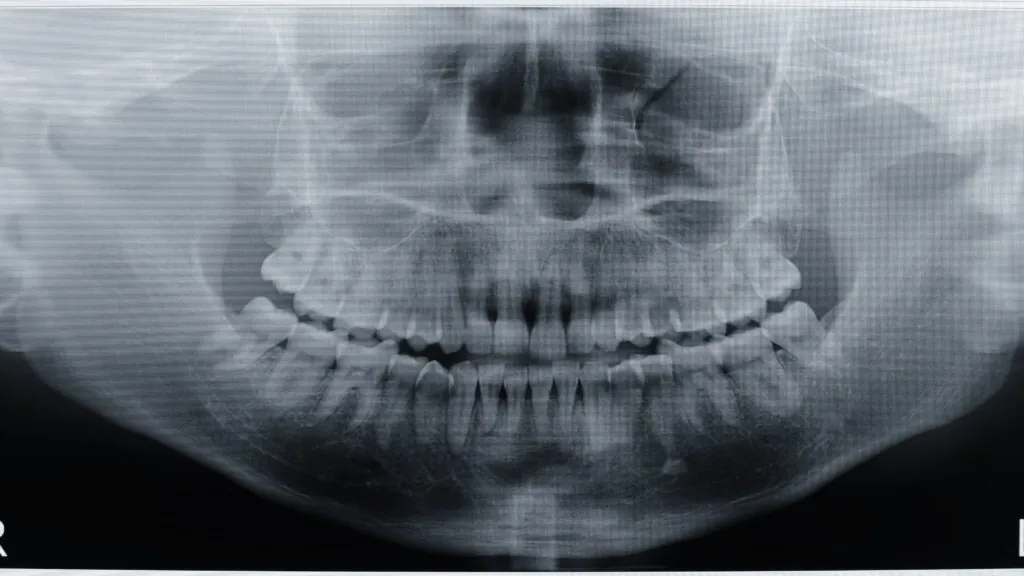
Also known as the traditional dental X-ray, it shows the entire tooth, from the root to the visible crown. It helps evaluate:
- The condition of the tooth and its supporting structures.
- The progress of tooth decay.
- Pulp involvement.
- Presence of infections or fractures.
- Periodontal diseases.
Bitewing (interproximal) X-ray
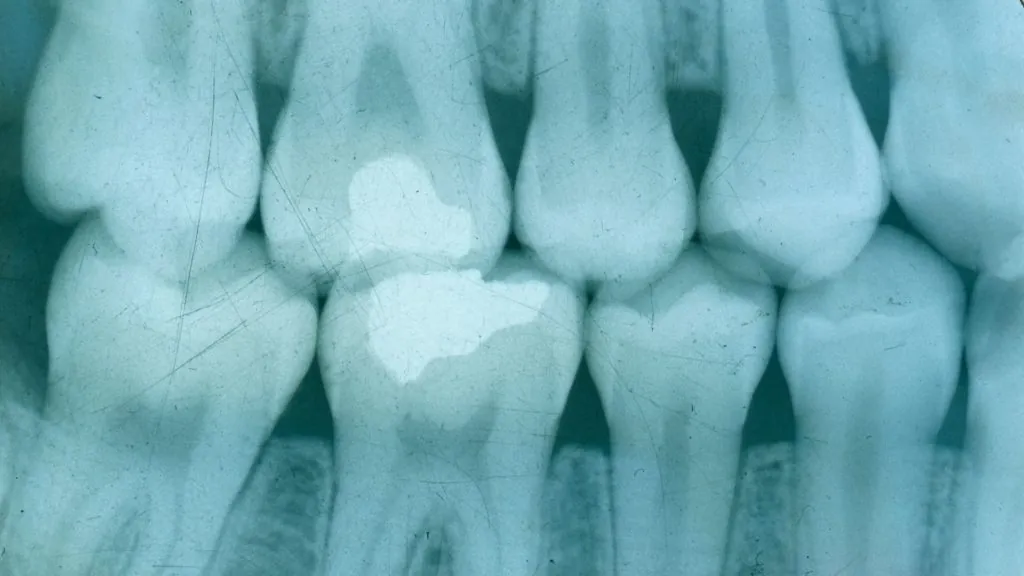
This X-ray is similar in size to a periapical X-ray but uses a different technique. It focuses on the crown area of the teeth and is ideal for:
- Detecting cavities between teeth that are hard to see during a clinical exam.
- Evaluating the health of supporting structures such as gums and bone.
Occlusal X-ray
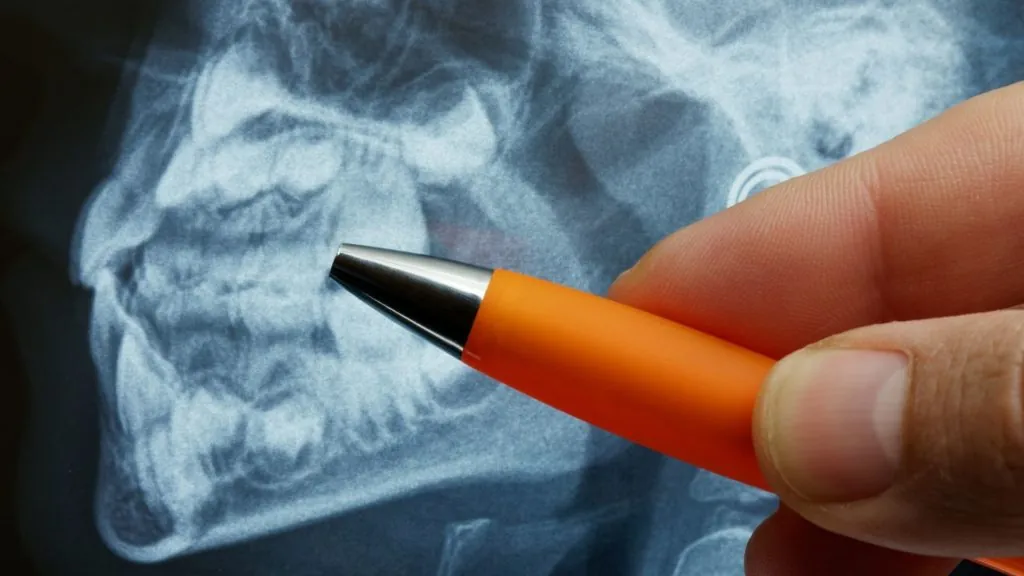
This X-ray is larger than a periapical X-ray and is taken while the patient bites on the radiographic plate. It helps evaluate:
- The position of teeth that have not erupted yet.
- Teeth in abnormal positions.
Extraoral X-rays
In some cases, extraoral X-rays are used, such as panoramic X-rays, which show all facial structures related to the mouth, or Cone Beam Computed Tomography (CBCT), which provides 3D images of the mouth, upper jaw, and lower jaw. These images are ideal for:
- Evaluating fractures
- Analyzing infections
- Reviewing periodontal diseases
- Planning complex treatments
All these techniques are safe and follow radiation exposure standards set by the American Dental Association (ADA) and the World Health Organization (WHO).
Intraoral scanner
The intraoral scanner is a modern technology that allows dentists to view 3D images of teeth and oral tissues on a computer. It is mainly used to:
- Design crowns, dentures, and other dental treatments.
- Create more precise digital models.
- Reduce treatment time.
- Improve patient comfort by replacing traditional dental impressions.
Benefits of intraoral dental imaging in Oxnard
- Faster and more accurate diagnosis.
- Better planned and personalized treatments.
- Greater comfort during evaluation.
- Complete evaluation of teeth, bones, and supporting tissues.
- Safety supported by the American Dental Association (ADA).
Possible disadvantages
- Minimal radiation exposure, very low and safe according to the ADA.
- Some X-rays may feel slightly uncomfortable for patients with small mouths or sensitivity, but our dental team handles this with care and attention.
Who needs intraoral dental imaging?
Intraoral dental imaging can be necessary for any patient who needs a dental evaluation or treatment, as it allows dentists to make a more accurate diagnosis. It is especially useful for:
- Patients with dental pain or sensitivity
- People who need evaluation of hard-to-detect cavities
- Patients with infections, fractures, or periodontal problems
- Those who need treatment planning for crowns, implants, or orthodontics
At Channel Islands Family Dental Office, our dentists in Oxnard use this technology to make sure every diagnosis and treatment is safe, fast, and effective, always focused on your comfort and oral health.
Our Team
Meet the Team Behind Your Smile

We also offer these services


What Patients Ask
What is intraoral dental imaging used for?
Is intraoral dental imaging safe?
Yes. All imaging techniques used at our Ventura County-area dental practice follow ADA and WHO radiation safety standards, and exposure levels are very low.
Will intraoral imaging be uncomfortable?
Most patients feel no discomfort at all. Some people with a smaller mouth or dental sensitivity may feel brief, mild pressure, which our Oxnard dental team manages with care.
How long does an intraoral X-ray or scan take?
Most intraoral X-rays take just a few minutes per image, and a full intraoral scan is typically completed within the same visit — no waiting days for results.
How is an intraoral scanner different from a traditional X-ray?
An intraoral scanner captures 3D digital images of your teeth on a computer without radiation, mainly to design crowns, dentures, and other restorations — while X-rays are still needed to see inside teeth, roots, and bone.
Schedule your appointment
Fill out the form or call us directly—we’ll confirm by phone or text message.
Fill out the form or call us directly—we’ll confirm by phone or text message.
Channel Islands Family Dental — Oxnard
- 2379 N Oxnard Blvd, Oxnard, CA 93036, United States
- (805) 342-1100
- Mon–Fri, 9:00 AM – 6:00 PM