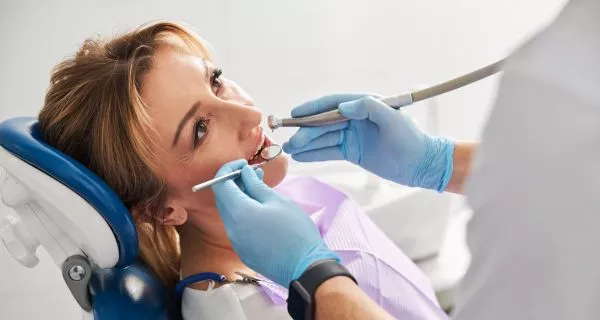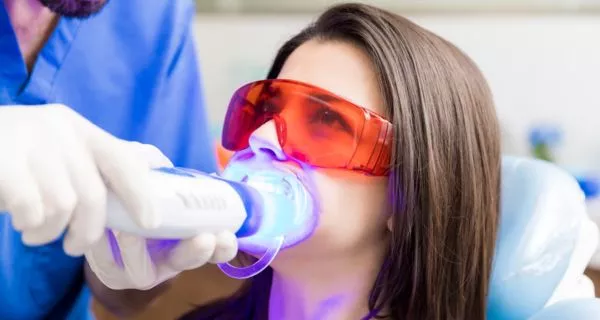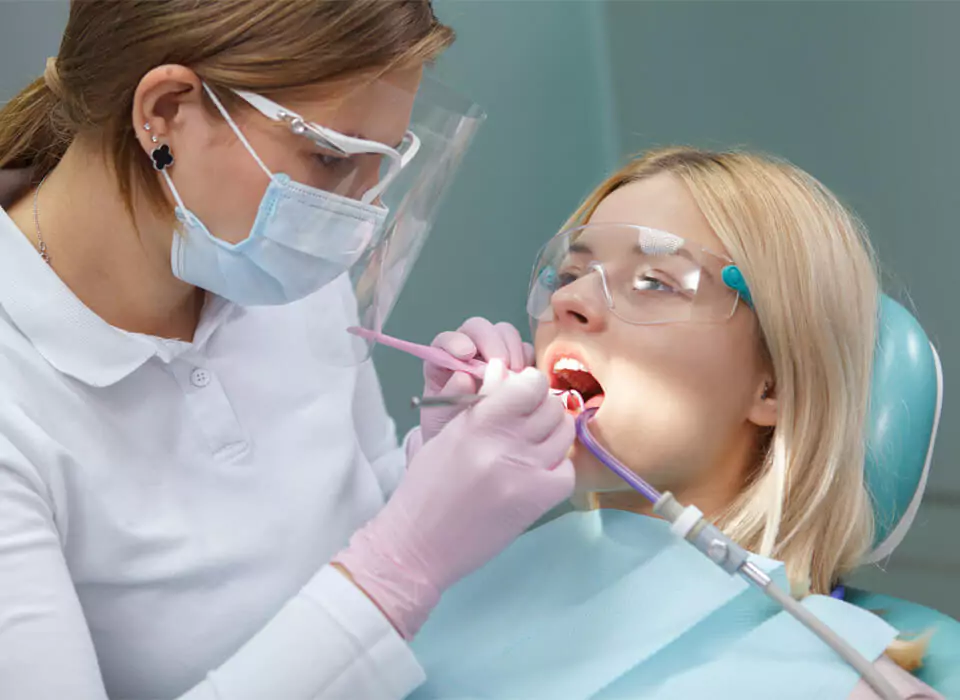
Clenching and teeth grinding in Oxnard can lead to worn teeth, jaw discomfort, sensitivity, and other problems over time. Our team can identify signs of bruxism and recommend personalized care to reduce strain, protect your teeth, and help you feel more comfortable.
Quick Answer: Clenching and teeth grinding in Oxnard, known as bruxism, is the involuntary habit of pressing or grinding teeth, most often during sleep. Left untreated, it can permanently damage teeth, jaw, and facial muscles, but custom nightguards, lifestyle changes, and sometimes medication can effectively manage it.
Clenching & Teeth Grinding
From routine checkups to personalized treatment, our team is here to make every dental visit comfortable, convenient, and centered on your needs. We take the time to understand your concerns and provide thoughtful care in a welcoming environment.
Including our office in 2379 N Oxnard Blvd, Oxnard, CA 93036, United States



Awake bruxism happens during the day, usually linked to stress or emotional tension, while sleep bruxism occurs unconsciously at night and is the more common type.
Common signs include waking up with jaw pain or headaches, worn tooth enamel, sensitive or loose teeth, ear pain, and clicking sounds in the jaw joint.
Yes, limiting caffeine and alcohol, avoiding tobacco, and practicing stress management and relaxation techniques can significantly reduce bruxism symptoms.
Do you wake up with a tired jaw, frequent headaches, or notice that your teeth feel sensitive or worn down? Many people in Oxnard experience these symptoms without knowing that the cause may be clenching or grinding their teeth, a condition called bruxism.
At Channel Islands Family Dental Office, we often see patients who are not aware that this habit—usually unconscious and common during sleep—can seriously affect their oral health and overall well-being.
As dentists in Oxnard, we provide professional diagnosis, personalized treatments, and preventive options designed to protect your smile and help you live without pain.
Bruxism is the involuntary habit of clenching or grinding the teeth, most often during sleep, although it can also happen while you are awake.
If bruxism is not treated on time, it can cause permanent damage to the teeth, jaw, and facial muscles.
At Channel Islands Family Dental Office, our specialists carefully evaluate each case to identify the cause of the problem and recommend the most appropriate treatment for patients experiencing clenching and teeth grinding in Oxnard.
The causes of bruxism can vary from person to person and are often multifactorial. Common causes include:
Some factors that increase the risk of bruxism include:
Our dentists in Oxnard work carefully to identify both the physical and emotional causes of bruxism.
We work with the most common insurance plans in Oxnard, and if you don’t have insurance, we have an affordable option to get you started.




People can clench and grind their teeth unconsciously both during the day and at night.
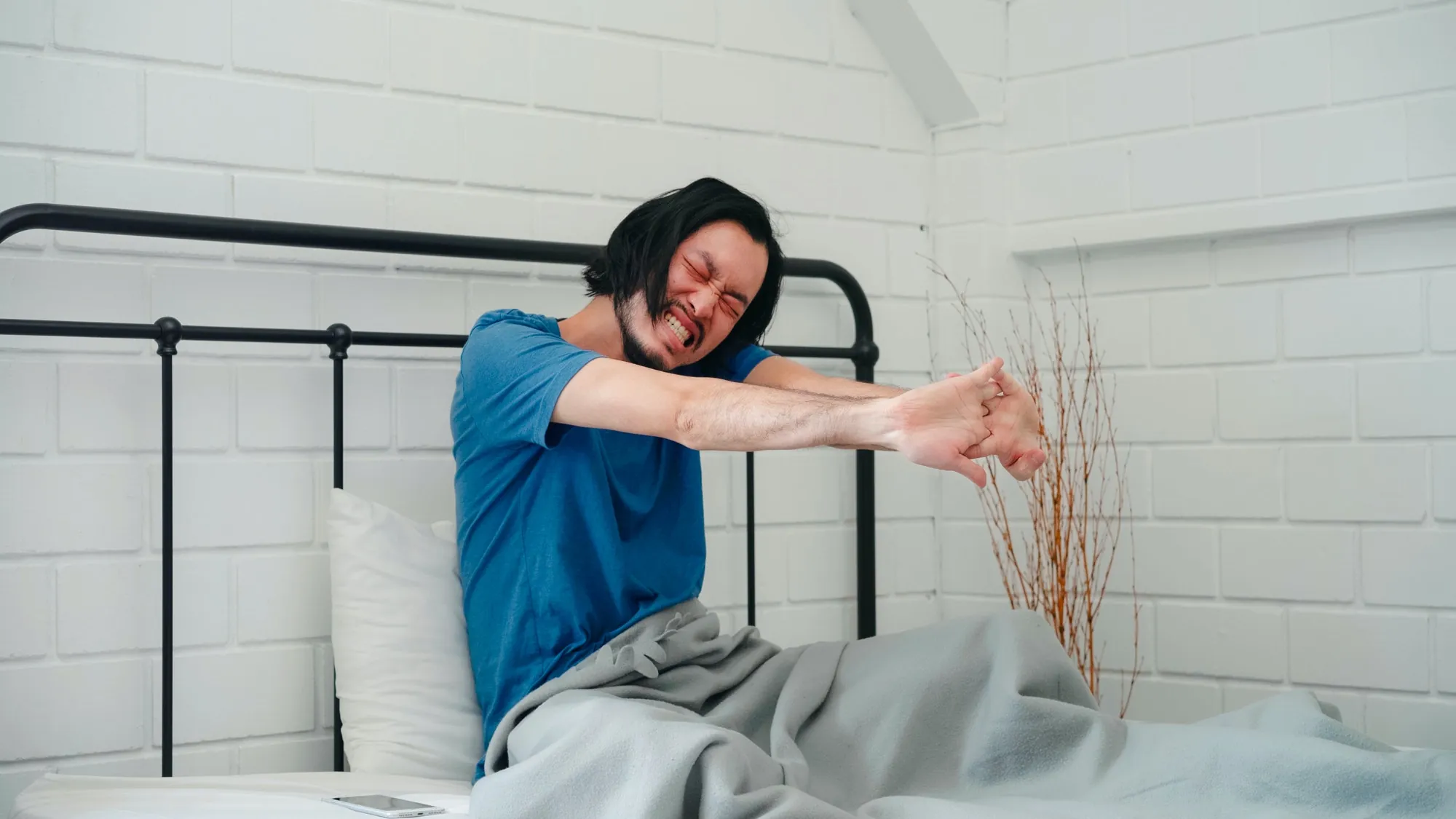
This type happens during the day while the person is conscious. It is usually related to stress, anxiety, anger, or emotional tension and often appears as jaw clenching without noticing it.
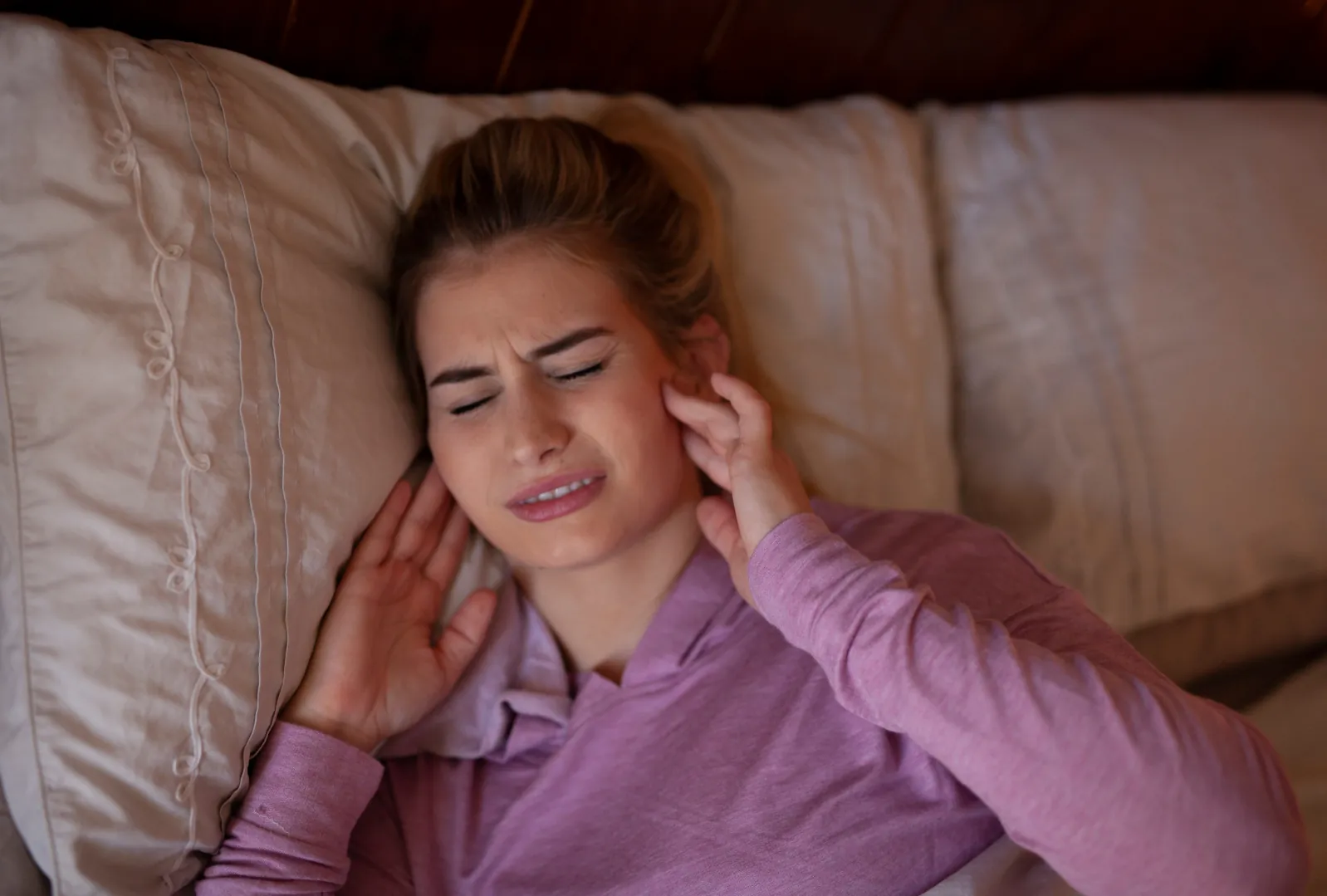
This occurs while the person is sleeping and is the most common type. People with sleep bruxism are usually not aware of the problem, but they may wake up with jaw pain, headaches, or facial discomfort.
In children, bruxism may be related to dental development and changes in teeth. In adults, stress and anxiety are usually the main triggers.
Clenching and grinding often happen during sleep, which makes symptoms harder to notice. However, common signs include:
If you experience any of these symptoms, it is important to visit a dentist in Oxnard for a professional evaluation.

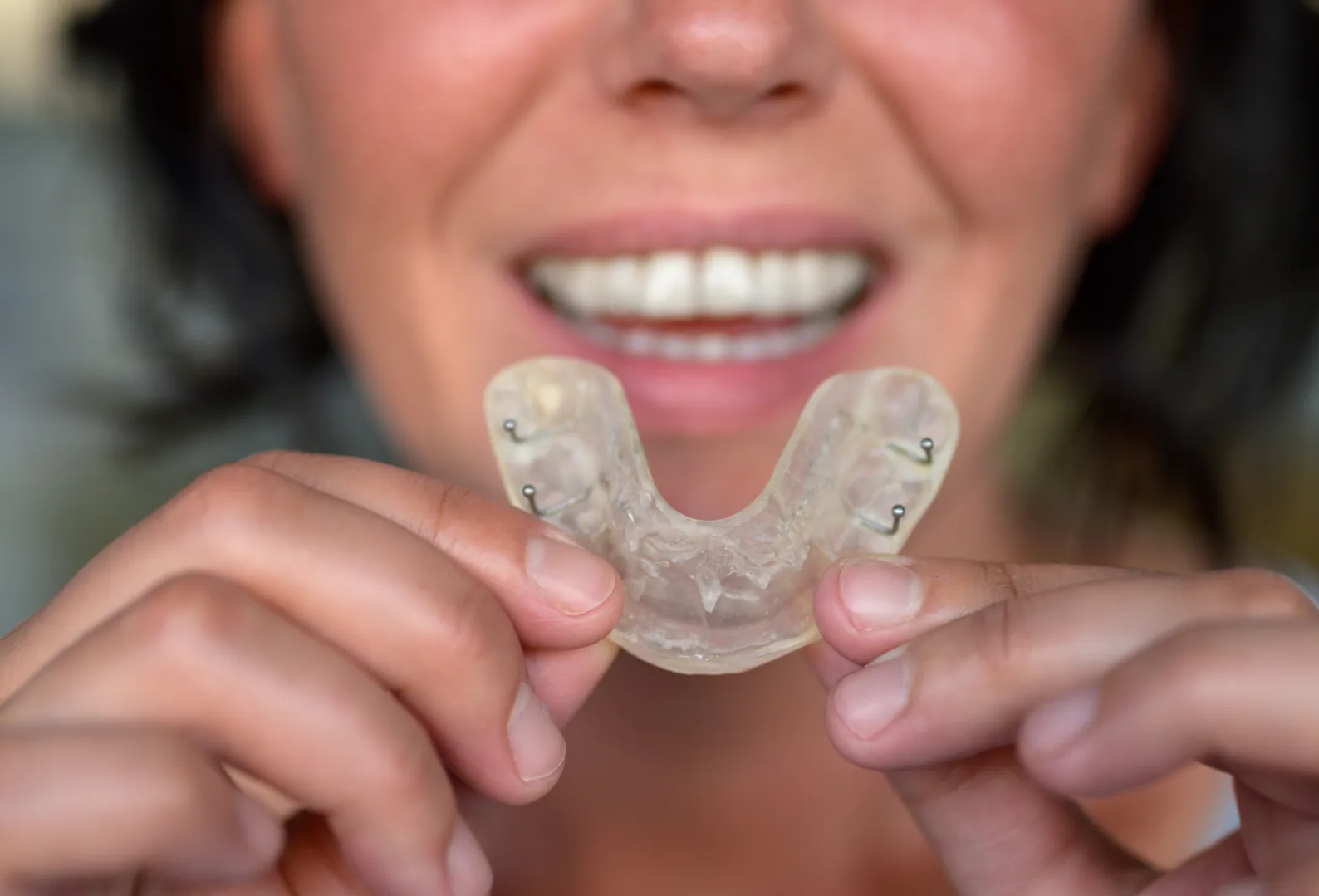
Bruxism is diagnosed through a complete dental exam, where the dentist checks for:
In many cases, family members notice grinding sounds during sleep. Ongoing jaw pain or frequent headaches are also important signs.

At Channel Islands Family Dental Office, we offer personalized treatments to control bruxism and protect your teeth.
Lifestyle changes: Stress management, relaxation techniques, and healthy habits can significantly reduce symptoms.

In addition to treatment, we recommend healthy habits to help prevent bruxism:
If you think you may be clenching or grinding your teeth, you do not have to live with discomfort. Bruxism can be treated early to prevent serious damage.
At Channel Islands Family Dental Office, our dentists in Oxnard are ready to help you with an accurate diagnosis and effective treatment.
Schedule your appointment today and protect your smile with trusted dental experts.
No, diagnosis involves a complete dental exam checking for tooth wear, jaw tenderness, and bite changes, none of which is painful. Custom nightguards are comfortable once you adjust to them. Our Oxnard dentists explain each treatment option clearly before starting.
Cost depends on the treatment recommended, whether a custom nightguard, medication, or a combination approach. Channel Islands Family Dental Office accepts Medi-Cal, Denti-Cal, Gold Coast Health Plan, Tricare, and PPOs, plus payment plans as low as $29.99 a month.
Common causes include stress, anxiety, or emotional tension, genetic factors, poor dental alignment or bite problems, and sleep disorders like sleep apnea. Excessive caffeine, alcohol, smoking, and recreational drugs can also increase the risk. Our Oxnard dentists work to identify both physical and emotional causes.
Common signs include interrupted sleep, headaches or facial pain when waking up, ear pain, worn tooth enamel, sensitive or loose teeth, jaw muscle pain, cracked teeth, and clicking sounds in the jaw joint. If you notice these, it’s important to get a professional evaluation in Oxnard.
Treatment options include custom nightguards, which absorb bite force and reduce damage, muscle relaxants in some cases to ease jaw tension, and lifestyle changes like stress management and relaxation techniques. Our Oxnard dentists personalize the approach based on your specific case and triggers.
Fill out the form or call us directly—we’ll confirm by phone or text message.
Fill out the form or call us directly—we’ll confirm by phone or text message.